What happens after February: Focusing on My Walker Line

February 28, 2026
This March is personal: I’m chasing my Walker ancestors through South Carolina records to bring real names and real stories to our June reunion.
February 28 can feel like a finish line. The posts slow down, the hashtags fade, and people move on to the next thing. But in my house, Black History Month isn’t the end of the story; it’s the push I need to keep going.

For me, family history research is personal. It’s not seasonal. It’s not something I pack away when the calendar flips to March. My family’s history lives in my surname, my grandmother’s photos, my memories, and the stories told during Thanksgiving dinner and at reunions. And it also lives in records, sometimes easy to find, sometimes buried deep, but still there.
This year, I’m carrying my research momentum straight into March with one clear goal: I’m focusing the entire month on updating my Walker line for an upcoming family reunion in June 2026. That tree has some strong branches, but it also has plenty of missing limbs. And I’m determined to find them.
My March Goal: Fill in the Missing Branches on the Walker Family Tree
I’ve learned something about African American family history: if I try to “do it all,” I usually end up overwhelmed. So I’m doing what I recommend to my clients—I’m choosing one focused goal and working it step by step.
In March, my goal is to:
Identify missing children, spouses, and sibling groups in my Walker line
Confirm locations and migration patterns over time
Build a stronger paper trail with courthouse, library, and archive records
Create a simple, shareable family update for the June reunion
This is the kind of work that turns a family tree into a family story. And honestly, I want to show up at the reunion with more than names. I want to show up with evidence, context, and details that bring our people to life.
My Research Plan Includes a South Carolina Records Trip Near Easter

One thing that helps me make real progress is getting on the ground. That’s why I’m making one of my annual trips to South Carolina around Easter. I already know where I’ll be spending my time:
Barnwell County courthouse
The local library
South Carolina Department of Archives and History in Columbia
Courthouse research matters, especially in places like Barnwell County, where local records can hold clues that never made it into bigger databases. Deeds, probate files, marriage records, and court minutes can connect families in ways the census alone can’t. Libraries can also be goldmines, with local histories, cemetery indexes, family files, and newspapers.
And the state archives in Colombia? That’s one of my favorite places to dig when I’m trying to solve a brick wall. State-level collections can hold records tied to land, tax lists, court systems, and more—especially when families don’t show up clearly in the places we expect.
Why I’m Building My Walker Research Around “Anchor” Records
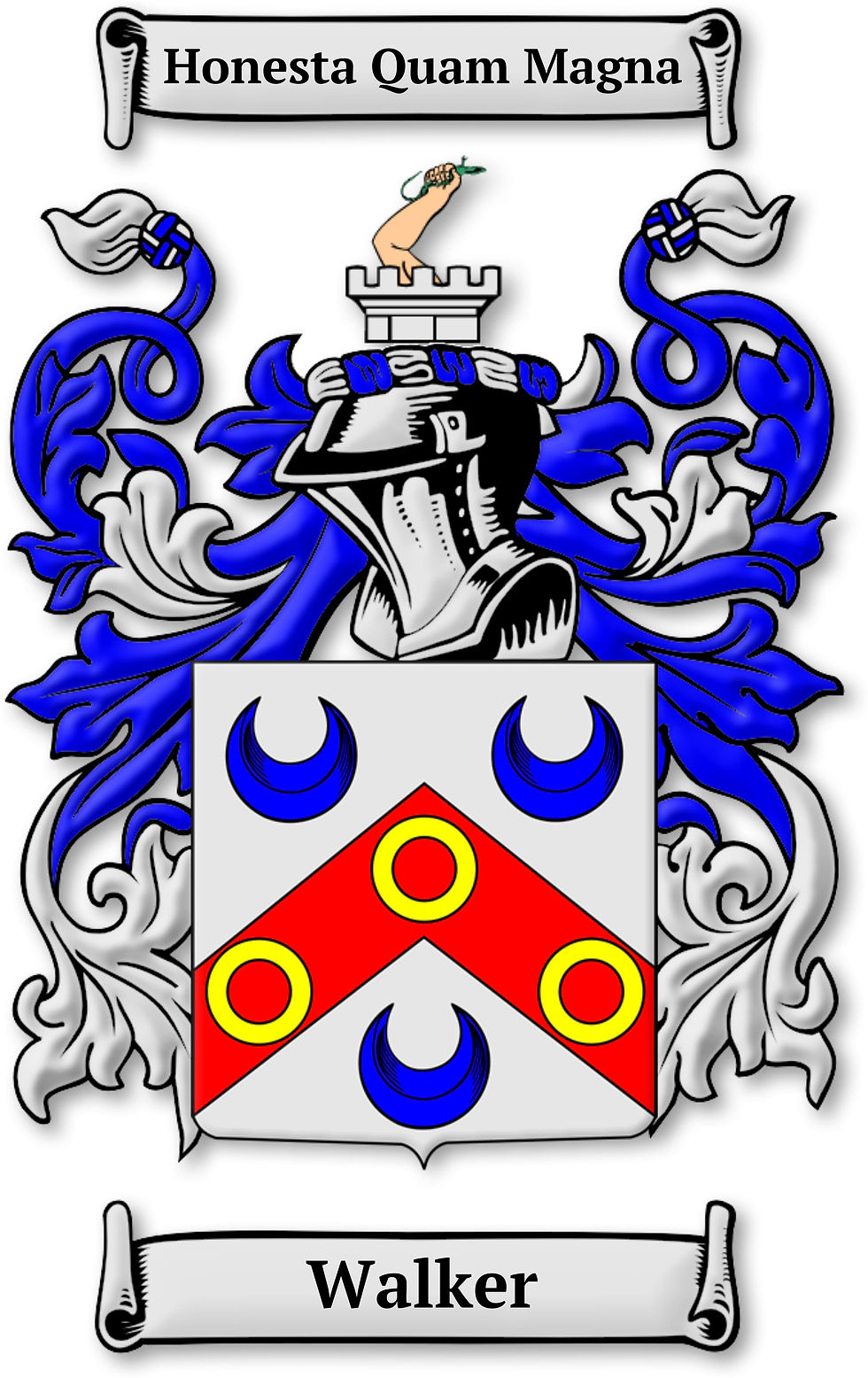
When I’m doing my family history research, whether it is for a client or my own family, I like to anchor my plan in record sets known for strong detail and family connections, especially for Reconstruction-era research.
One powerful anchor is the Freedmen’s Bureau records. These records were created during Reconstruction and can include labor contracts, court matters, letters, rations, and marriage records. They may document names, relationships, employers, and locations—exactly the kinds of details that help reconnect missing branches.¹
I also use tools that make searching easier, like the Smithsonian’s Freedmen’s Bureau Search Portal, which was created to help people find ancestors in these records.² And when I need a clear explanation of what exists and how to search it, the FamilySearch Wiki is often my starting point.³
Even if I don’t find my exact Walker ancestor right away, I still learn something valuable—where the family was living, who they were connected to, and what other surnames show up in the same place.
I Stay Grounded in Evidence, Not by Guessing
I love family stories. I really do. But I’ve learned the hard way that stories need support. Names get repeated. Dates get mixed up. Places shift over time. So in March, I’m sticking to my standards:
I’m saving sources as I go
I’m comparing records before I accept a conclusion
I’m tracking surname spelling changes across records
I’m writing down negative searches, so I don’t repeat work
Professional genealogy organizations stress ethics and accuracy for a reason. The APG and the Board for Certification of Genealogists both publish standards that encourage careful documentation and responsible conclusions.⁴ ⁵ I take that seriously—because these aren’t just “records.” These are my people.
What I Want to Bring to the June 2026 Reunion
My goal isn’t to impress anyone with how many names I can add. My goal is to bring something meaningful to the family reunion, something that helps us feel connected.
By June, I want to have:
An updated Walker family tree with fewer missing branches
A short-written summary of what I discovered
A list of “open questions” for cousins to help answer
A few stories and documents I can share in a way people will actually enjoy
Because Black history is year-round—and so is my family’s story. February may be ending, but the journey continues. My ancestors are still waiting, and I’m still listening.
And if you’re doing this work too—whether it’s my Walker line or another branch— I know I don’t have to do it perfectly. I just have to keep going!
Notes (Chicago Style)
National Archives, “The Freedmen’s Bureau,” last modified October 28, 2021, https://www.archives.gov/research/african-americans/freedmens-bureau.
Smithsonian National Museum of African American History and Culture, “Freedmen’s Bureau Search Portal,” accessed March 1, 2026, https://nmaahc.si.edu/explore/freedmens-bureau.
FamilySearch Wiki, “African American Freedmen’s Bureau Records,” accessed March 1, 2026, https://www.familysearch.org/en/wiki/African_American_Freedmen%27s_Bureau_Records.
Association of Professional Genealogists, “APG Code of Ethics and Professional Practices,” updated July 1, 2024, https://www.apgen.org/code_of_ethics.php.
Board for Certification of Genealogists, “Ethics and Standards,” accessed March 1, 2026, https://bcgcertification.org/ethics-standards.
“Those who have no record of what their forebears have accomplished lose the inspiration which comes from the teaching of biography and history.” ~ Carter G. Woodson


Comments